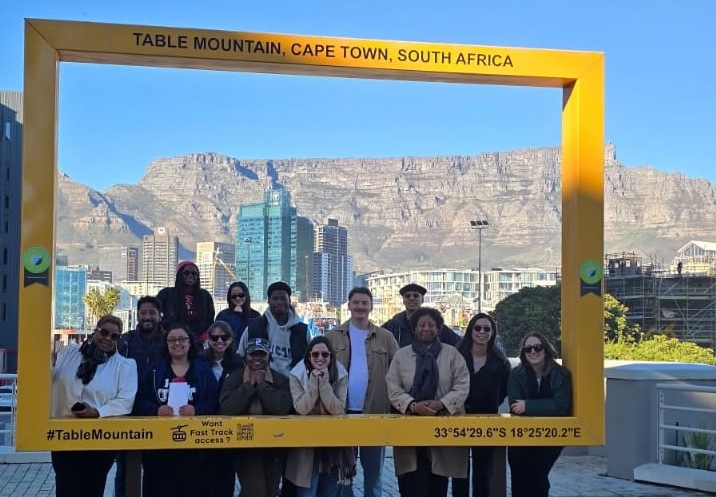
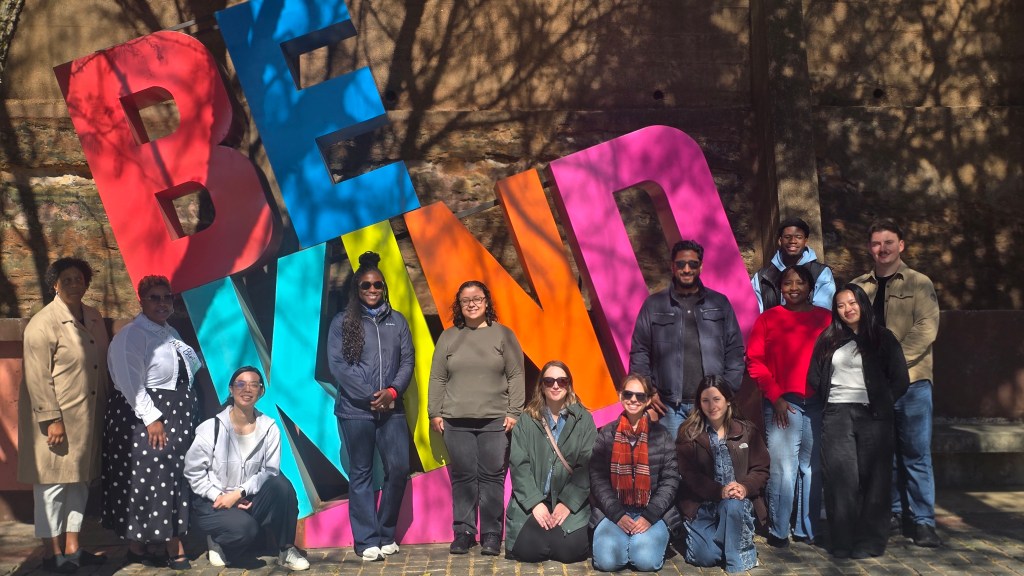
I spent ~2 weeks (July 15 to August 2) in Johannesburg and Cape Town, South Africa with 13 strangers. It was the most culturally rich trips I’ve ever taken, and I learned that I love immersing myself in the culture and locals when traveling.
This was part of a study abroad program through Rutgers University’s Graduate School of Education (Education, Culture and Change in South Africa) to immerse us in the country and culture of South Africa.
I also debuted as a vlogger during this trip! I learned a lot about what’s important to film, how to film, and when not to film. My vlog mainly to serve as a memory record of our trip and experiences.
The History
Apartheid (1948 – 1994) was an authoritarian reign led by the minority white. The history of South Africa (SA) is not unique. In fact, we saw a lot of similarities between SA and the USA from the racism to systematic economic inequalities to government corruption.
We engaged with the exhibits at various museums, like the Apartheid museum, District 6, Robben Island, and Constitution Hill. Three learnings of this period shocked me the most.
First, SA had three racial separations: whites, coloured, and blacks. Coloureds were blacks with some “white” blood in them, or other races like Indians and Malays. Blacks were the indigenous people to SA (like the Bantu).
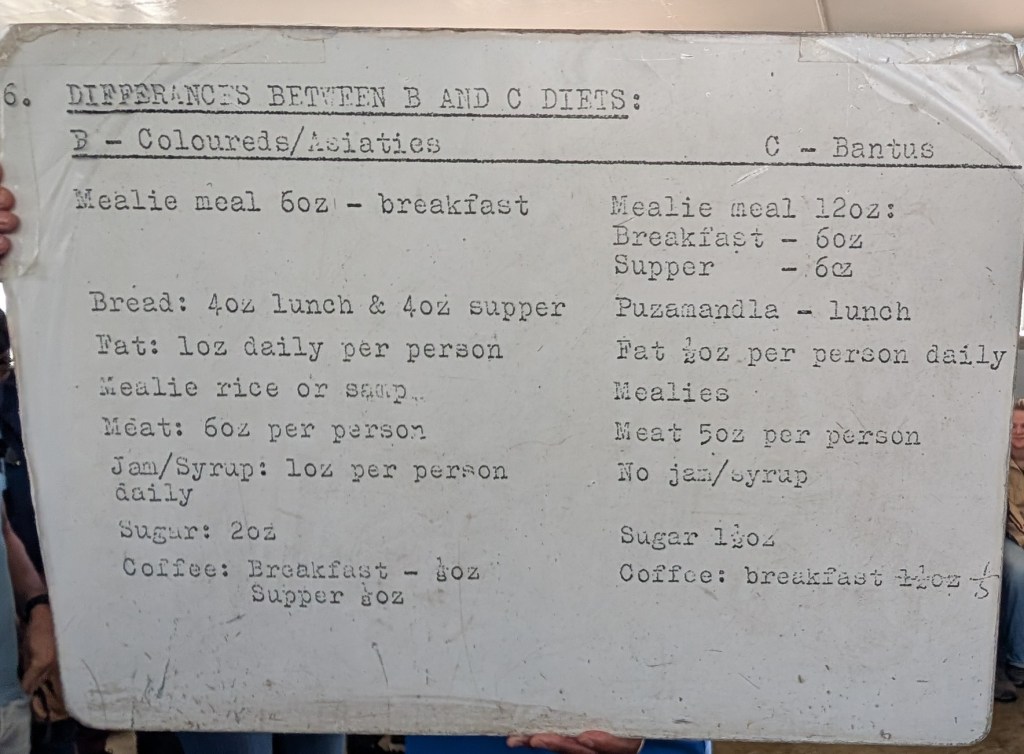
Most aspects of life were split into racial categories from building entrances to quality of education received to the level of care/luxury of a prisoner. Below is the distribution of food a prisoner at Robben Island received: left side is the coloureds diet and right side is the blacks diet. Blacks frequently received rotting or moldy food.
Second, black spots are “an African township marked for obliteration because it occupies an area into which whites wish to expand” (Cole, 1967, p. 64). District 6 of Cape Town is one of the most popular examples of this. My stomach churned learning that families lived with the uncertainty that they may get evicted from their generationally owned house/land.
Lastly, only blacks had to carry around their “passbook” 24/7 and anywhere they went- whites and coloured were exempt. If any black person was caught without their passbook, they were immediately sent to jail for days, months, or years.
The women’s exhibition at Constitution Hill showed a plastic bag. Besides it, a quote read “whenever we left the house to go to the market, we truly said goodbye because we did not know if we would come home” (paraphrased).
The Culture
Although apartheid was overthrown in 1994, the systemic mechanisms used to suppress blacks are still apparent more than 30 years later. The first major observation, and relevant for this trip, is the education access inequality. The problem is so incredibly complex that our trip only skimmed the surface.
There’s a huge large education quality inequalities between public and private schools, such as learner (aka “students”) opportunity to learning math. Some school deemed hard math (e.g. algebra) to be too difficult for both the learners and students, so they just removed it from the curriculum. Instead, they opt for math literacy which is more secretarial math.
As a computer scientist, this broke my heart because these students are stripped from the opportunity to even consider STEM or CS as career options. These doors were closed because of the system of inequality, not because they willingly closed it. As I discovered from my paper on gender disparity in STEM, it’s vital to build a strong math background in middle and high school.
I’d recommend the book Worth the Fight by Jonathan Jansen to learn more about the challenges that plague SA’s high schools.
The second glaring observation was the economic inequality. Every service employee was black, even at the restaurants and hotels implicitly catered towards the rich and/or white. I had the chance to chat with some locals and they affirmed the vast economic inequality still by race and even working location. For the same job, a person could make 4x more in North Joburg compared to South Joburg.
The education inequality is further exacerbated by the economic inequality. Learners in a private school would receive one of the best education the country could offer. The tuition would span from R1,000 to R4,000 ($60 – $250) per month per child. Comparatively, public schools were strapped for resources and quality teachers. The tuition could be as low a R60 per month (not even $4), and some families even couldn’t afford that.
This contextualized my economic privilege simply by being born, by chance, on the side of the fence with greener grass. I’ve spent $4 on a lot of dumb things, like terrible drinks that I did not think twice about tossing out.
The Food
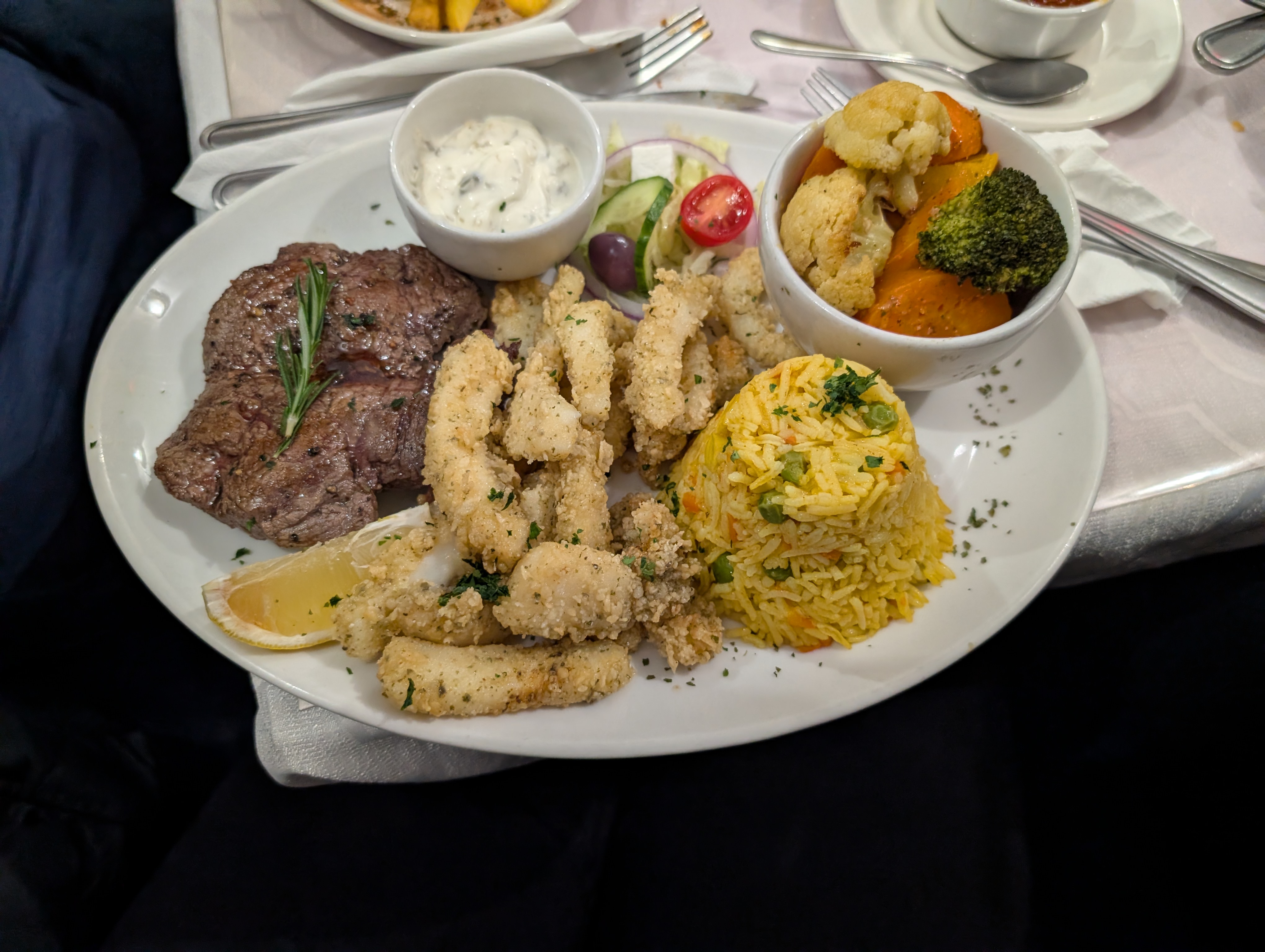
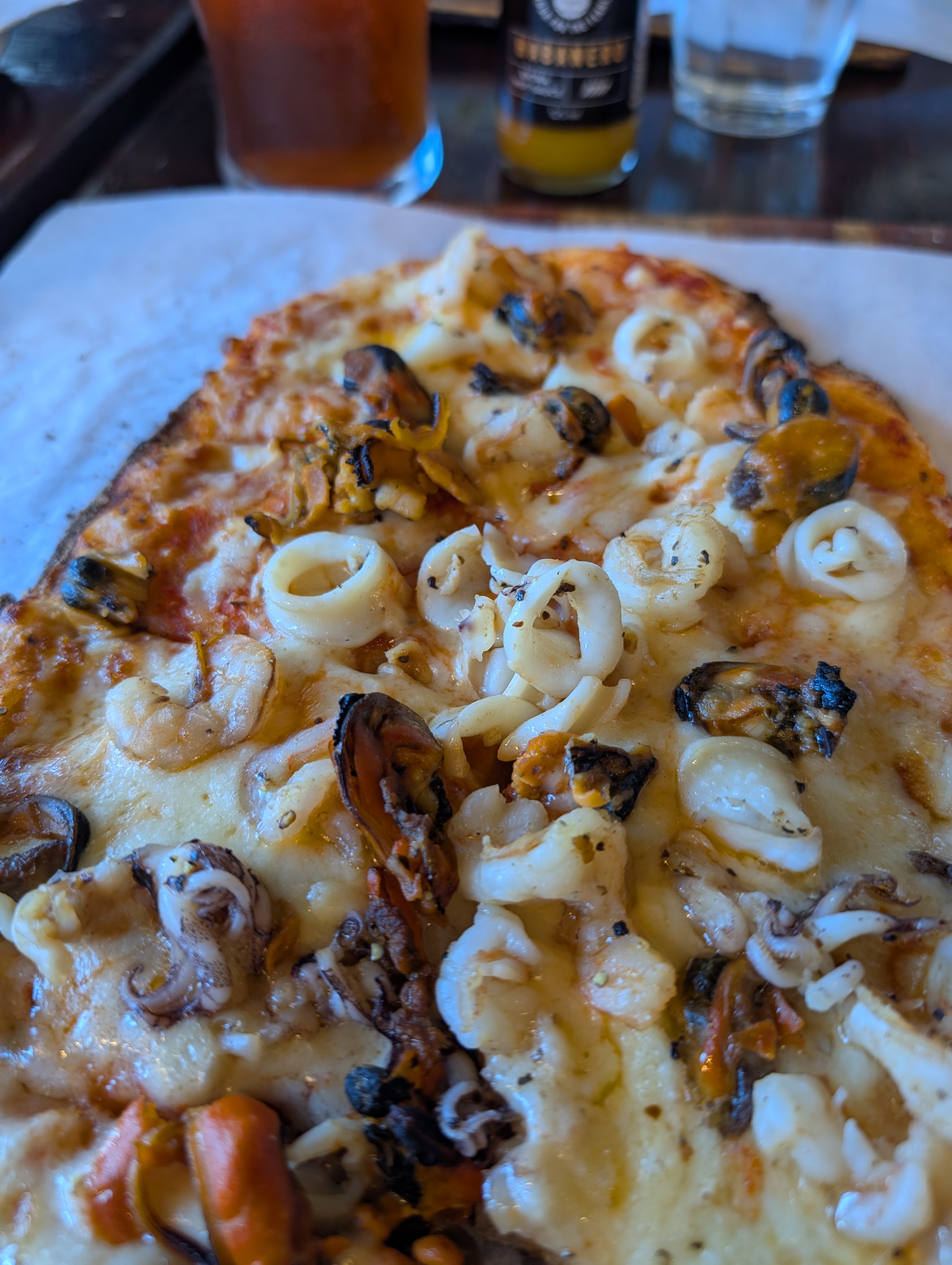
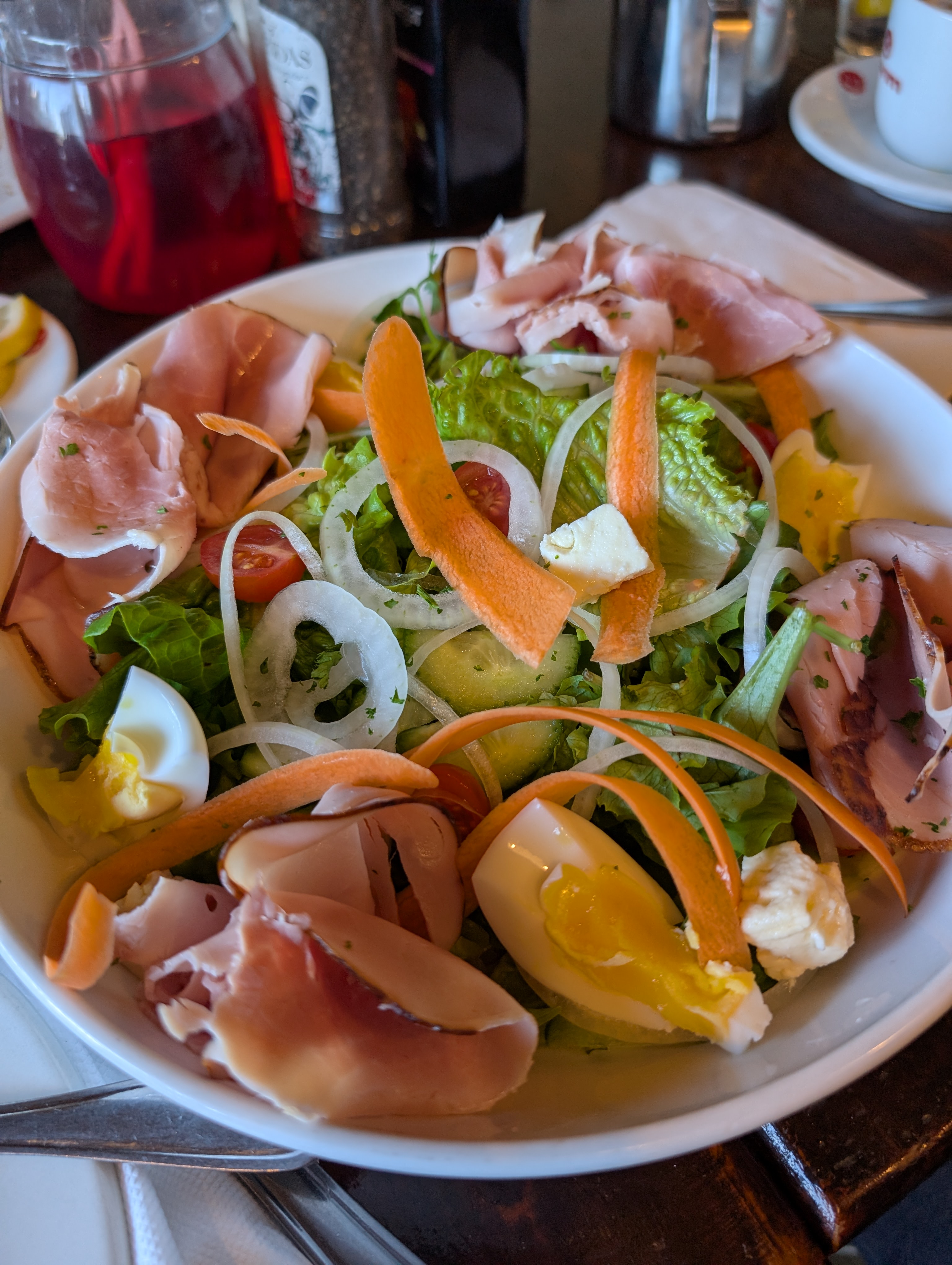
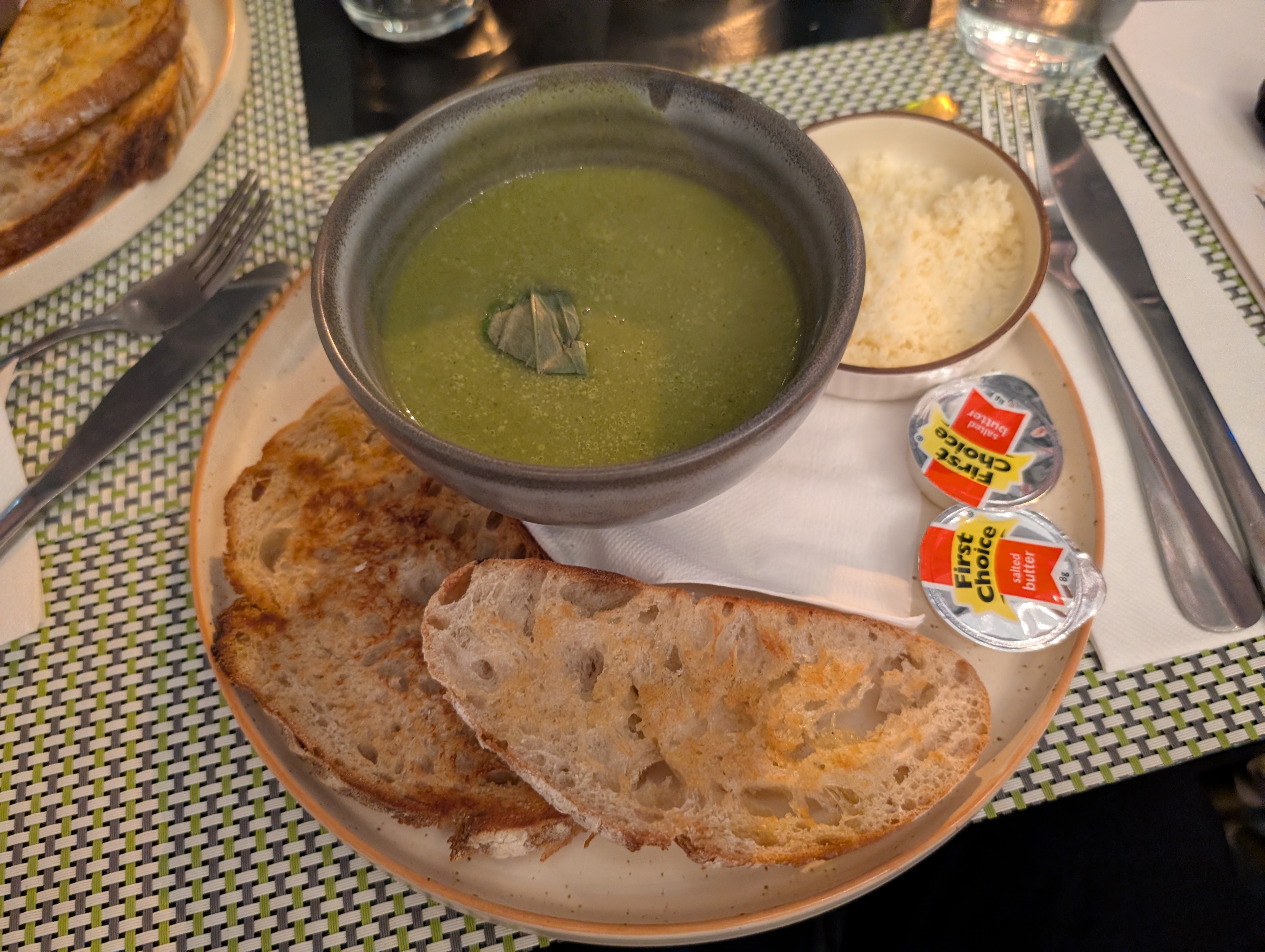
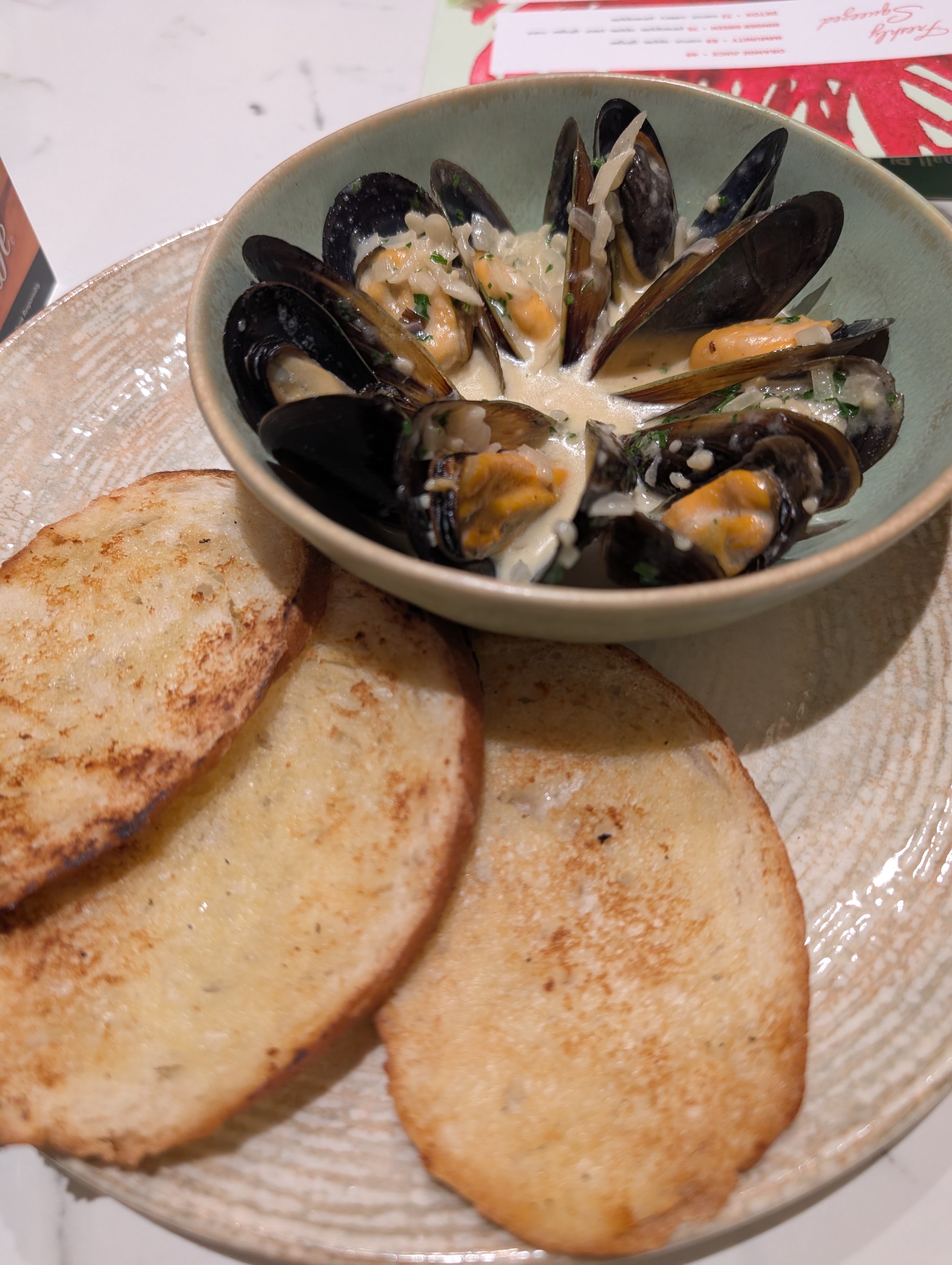
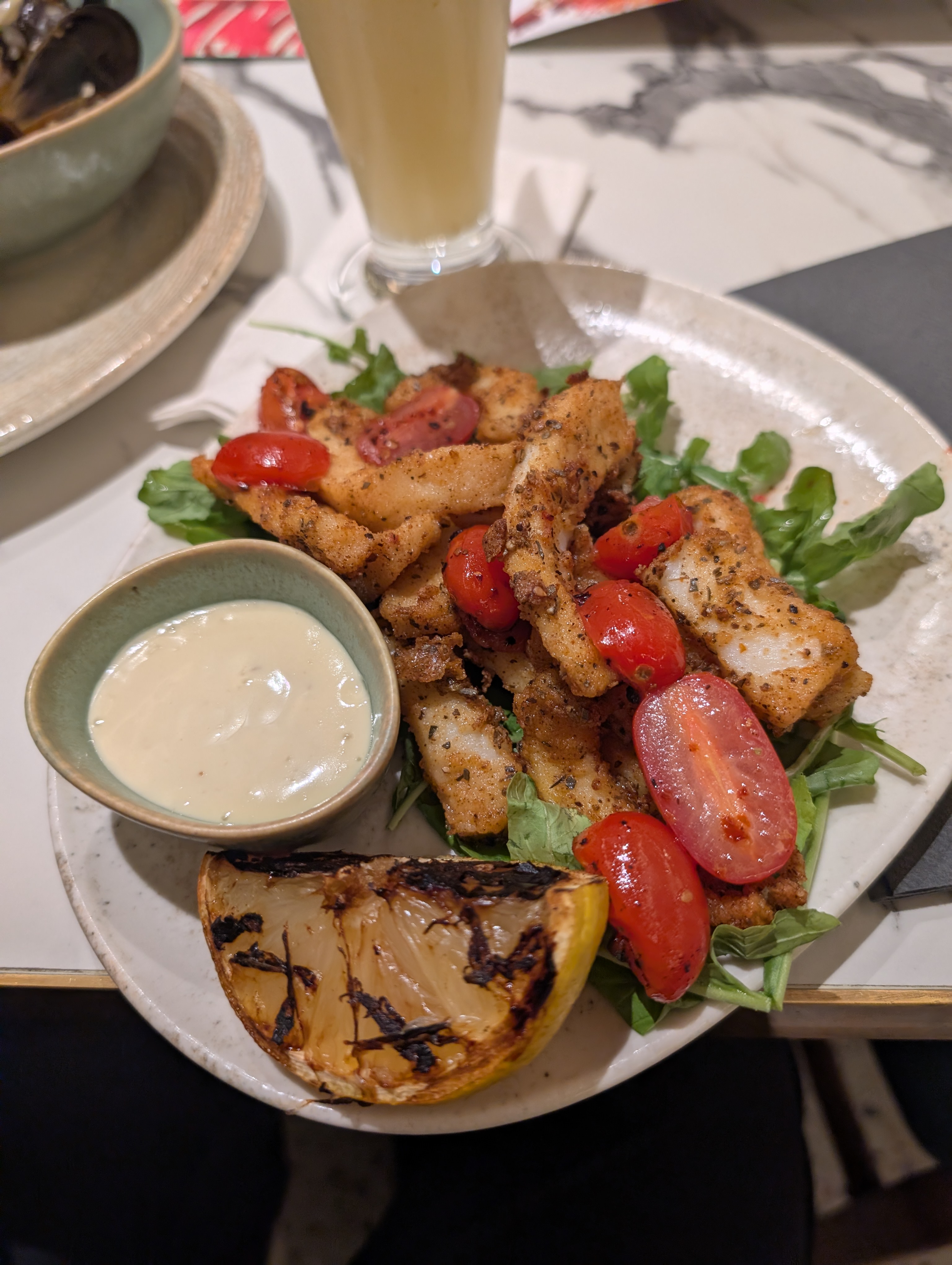
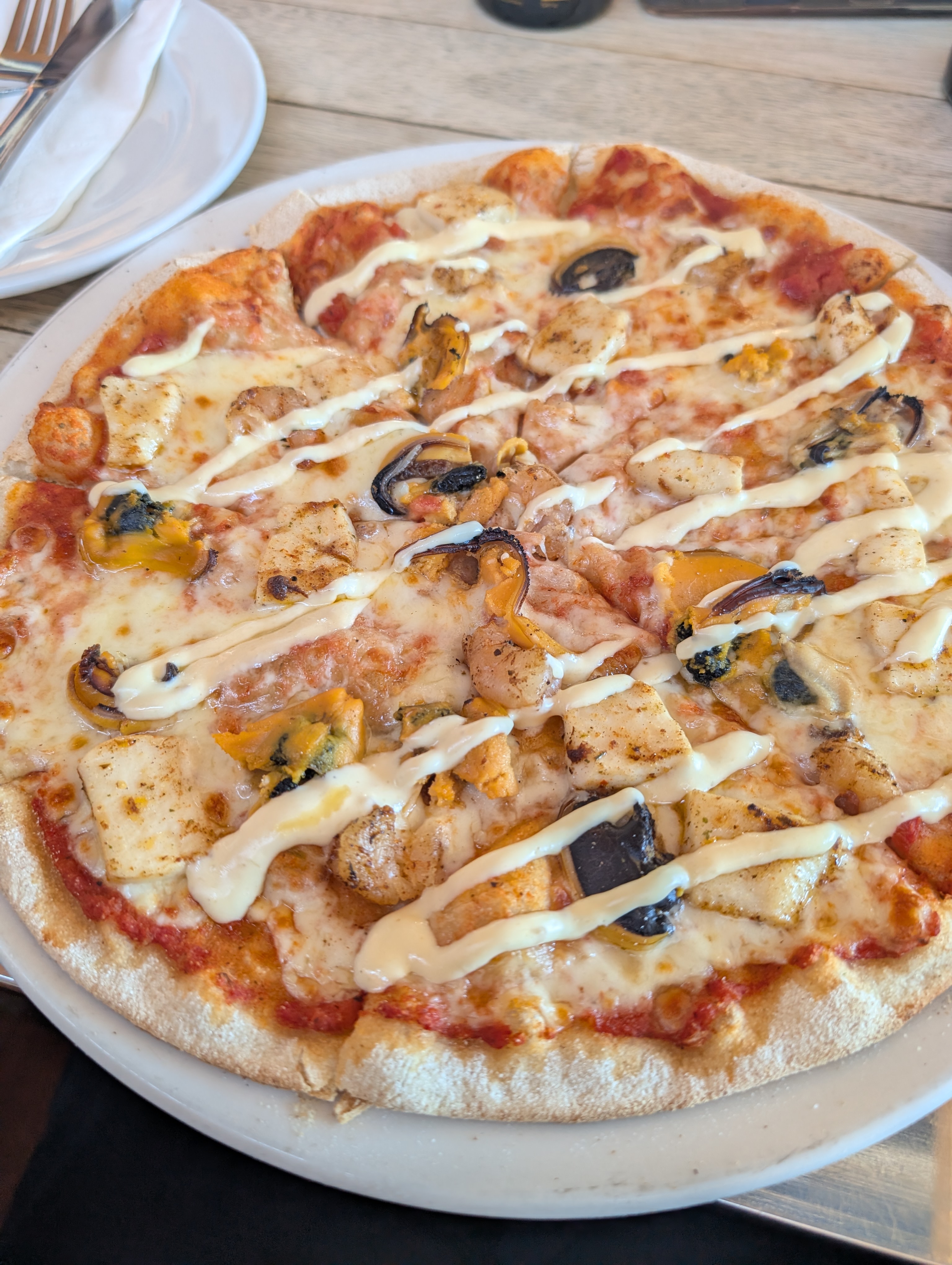
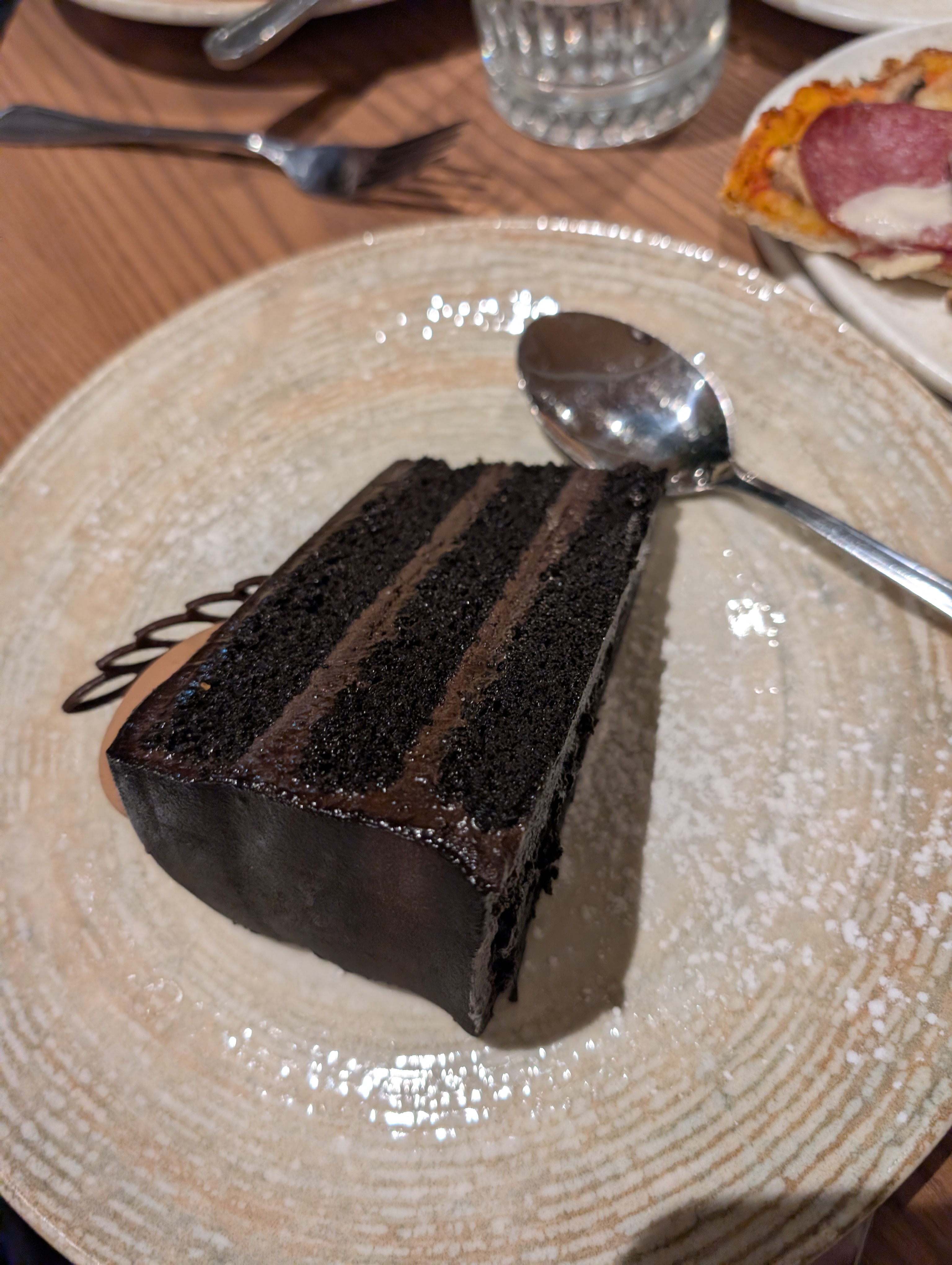
Onto the positive notes of the trip, my classmates and I collectively thought the food we ate was hands-down superior to the food we have in the USA. Almost every dish we had was made with such love and care; it was so well prepared and seasoned. At every restaurant, I felt confident I could order anything off the menu and it’d be a good meal. I could not say the same at most restaurants in the USA.
The ingredients used were almost completely free of highly processed foods. Burger buns were nice brioche buns, the slices of bread were sourdough slices, and we could see/taste nearly every ingredient in the dish. At one restaurant, I saw a chef literally put salad greens onto a scale to ensure they had the correct amount per dish.
With this level of effort, it did take awhile for our dishes to arrive. Initially, we were all impatient. I eventually came to enjoy the pace as it encouraged conversation and slowing down our general pace of life, especially coming from the NYC bubble.
The Love
In spite of all of the hardships the country has gone through the past few decades, every single person we met had a heart and warmth that I wish the USA had even a fraction of.
Every person we passed gave us a truly warm smile. Their greeting also asked “how are you?”, and their body language showed that truly wanted to know how we were doing. Every person we met and talked to was incredibly hospitable, including even going above and beyond what we normally expect.
One of the locals commented that there’s an implied shared understanding of struggle, so if they see someone struggling, then they will help.
I feel so incredibly grateful that I got to experience this level of unconditional love and support from human to human, especially from a country still healing from its trauma.
Cole, E. (1967). House of Bondage. Random House.


Leave a Reply